
invisible
Search
Search Results
Enter at least 3 characters
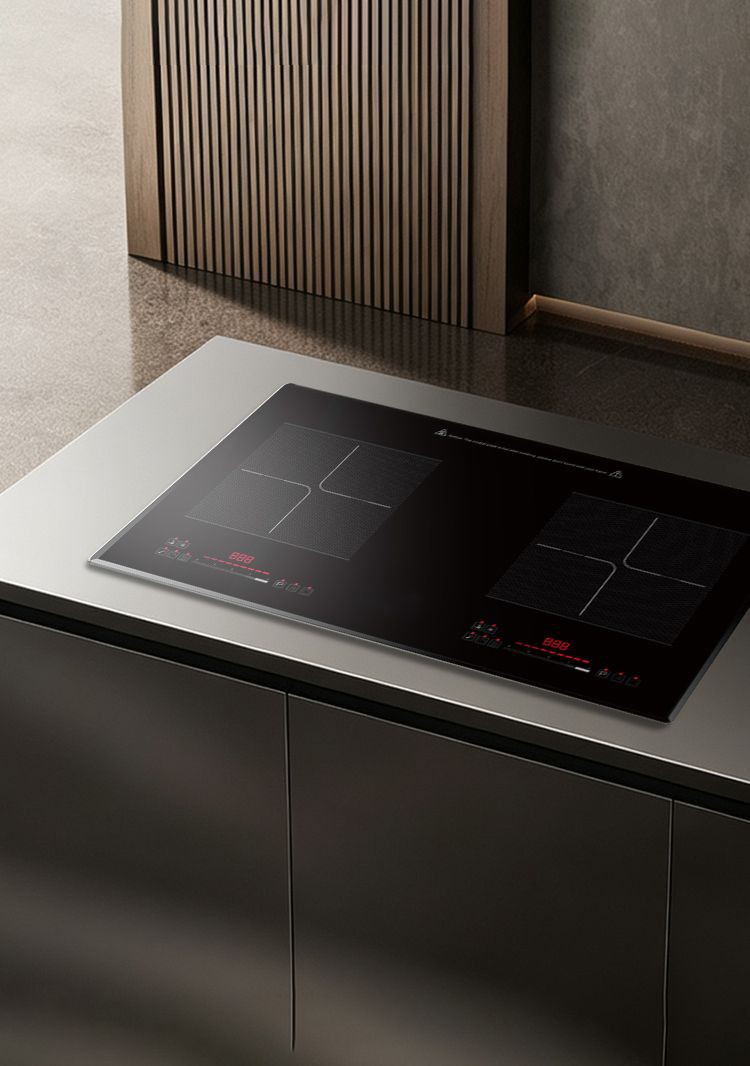
When selecting cooking equipment for a commercial kitchen, one common question is: Is an induction cooker better than a gas stove?Both cooking technologies are widely used in restaurants, hotels, catering businesses and food service facilities. However, they differ significantly in heating methods, energy use, temperature control, kitchen environment and maintenance requirements.Understanding these differences helps restaurant owners, kitchen equipment distributors and commercial buyers make informed purchasing decisions.
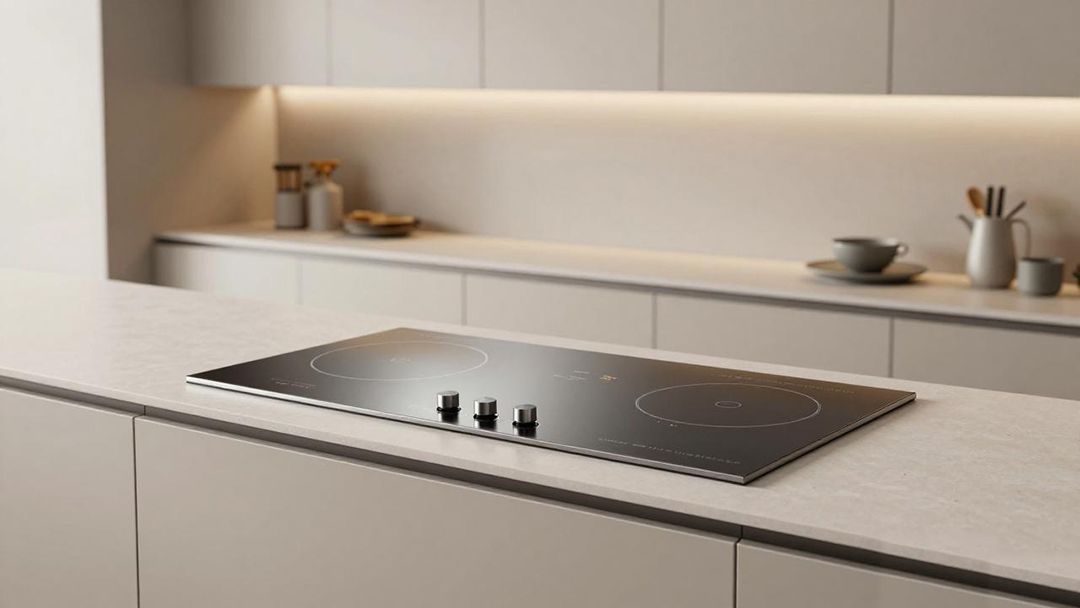
1. How Do Induction Cookers and Gas Stoves Work?
An induction cooker uses electromagnetic induction to generate heat directly in compatible cookware.When electricity flows through an induction coil, it creates an alternating magnetic field. This field generates heat in the magnetic base of the cookware, allowing food to be heated without using an open flame.
A gas stove works differently. It burns natural gas or liquefied petroleum gas to produce a flame. The flame transfers heat to the cookware.The main difference is that induction cooking heats the cookware electromagnetically, while gas cooking relies on combustion.
2. Energy Efficiency: Induction vs Gas
Energy efficiency is an important consideration for commercial kitchens because cooking equipment may operate for many hours each day.
Induction cooking transfers energy directly to compatible cookware, reducing heat lost to the surrounding environment.
Gas stoves release heat through combustion, and some of that heat escapes around the cookware.
Comparison
Induction Cooker
Gas Stove
Heating method
Electromagnetic induction
Gas combustion
Heat transfer
Directly to compatible cookware
Through an open flame
Surrounding heat
Generally lower
Generally higher
Temperature adjustment
Electronic power control
Flame adjustment
Ventilation needs
Depends on cooking process
Requires combustion ventilation
Cookware
Magnetic-compatible cookware
Broad cookware compatibility
Actual energy savings depend on equipment efficiency, local electricity and gas prices, cookware, cooking habits and operating conditions.
3. Heating Speed and Temperature Control
For busy restaurants and commercial kitchens, cooking speed directly affects operational efficiency.
Induction cookers offer rapid heat adjustment and electronic power control. Operators can increase or decrease heating output without waiting for a flame to change.
Gas stoves provide immediate flame adjustment and remain popular for cooking techniques that involve direct flame contact.
Induction cookers are particularly suitable for applications that require:
Consistent heating power.
Repeatable cooking settings.
Fast heating response.
Precise electronic control.
Reduced open-flame exposure.
However, the final cooking performance depends on the specific model and cookware.
4. Kitchen Safety and Working Environment
Safety is another important difference.
Because induction cookers do not use an open flame, they eliminate the combustion-related fire risks associated with gas burners. Their cooking surfaces may also remain cooler than traditional gas cooking areas, although residual heat from cookware can still cause burns.
Gas stoves require proper gas connections, combustion ventilation and regular inspection for leaks.
Induction cookers also require electrical safety measures and suitable installation.
For commercial kitchens, both systems must be installed and operated according to applicable safety standards.
5. Cleaning and Maintenance
Induction cookers usually feature smooth cooking surfaces, making daily cleaning relatively simple.
Food spills can often be wiped away after the surface has cooled sufficiently.
Gas stoves have burners, grates and other components that may collect grease and food residue. These parts may require more detailed cleaning.
However, induction equipment also requires maintenance of its ventilation openings, cooling fans and electronic components.
6. Which Cooking Technology Should You Choose?
The right choice depends on your kitchen's operational needs.
Choose an induction cooker if you need:
A modern electric cooking solution.
Precise electronic power control.
Reduced open-flame exposure.
A relatively cooler cooking environment.
Easy-to-clean cooking surfaces.
Choose a gas stove if you need:
Traditional flame-based cooking.
Compatibility with a wide range of cookware.
Direct flame cooking techniques.
Existing gas infrastructure.
For many modern commercial kitchens, induction cooking provides an attractive alternative to traditional gas equipment. Some businesses also choose to use both technologies for different cooking applications.
Frequently Asked Questions
Q1: Is an induction cooker more energy-efficient than a gas stove?
Induction cookers generally transfer a higher proportion of their input energy to compatible cookware. However, the actual operating cost depends on local energy prices and usage patterns.
Q2: Does an induction cooker heat food faster than gas?
It can heat compatible cookware very quickly, but performance depends on rated power, cookware design and cooking conditions.
Q3: Are induction cookers suitable for restaurants?
Yes. Commercial induction cookers are used in restaurants, hotels, catering facilities and other professional kitchens.
Q4: Can an induction cooker replace a gas stove completely?
It can replace gas cooking for many applications, but businesses should evaluate cookware compatibility, electrical capacity and their specific cooking methods first.
Induction cookers and gas stoves both have advantages. Induction technology offers direct electromagnetic heating, electronic power control and a flame-free cooking process, while gas stoves provide traditional flame-based cooking flexibility.For commercial buyers, the best solution depends on kitchen layout, energy costs, cooking requirements and long-term operating objectives.Interested in upgrading your commercial kitchen? Explore our induction cooking solutions and contact us for product information and wholesale cooperation.
© 2026 Copyright © 2026 Qinghanyuan. All rights reserved. Presented by Qinghanyuan.