
invisible
Search
Search Results
Enter at least 3 characters
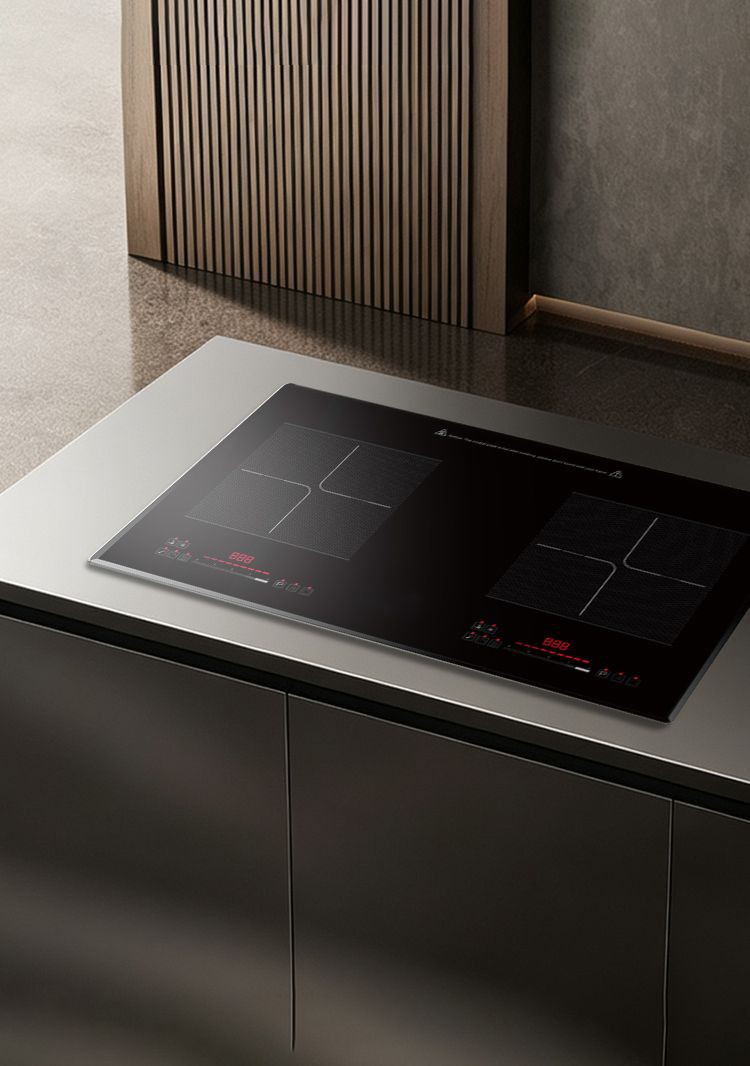
Energy consumption is a major operating expense for restaurants, hotels, catering companies and commercial food preparation facilities. As businesses look for ways to improve kitchen efficiency and control operating costs, induction cooking technology is becoming an attractive alternative to traditional cooking equipment.An energy efficient induction cooker uses electromagnetic induction to heat compatible cookware directly. This technology reduces unnecessary heat loss and provides responsive heating control, making it suitable for many modern kitchen applications.But how much energy can induction cooking actually save? And what should commercial buyers consider when selecting an energy efficient induction cooker?
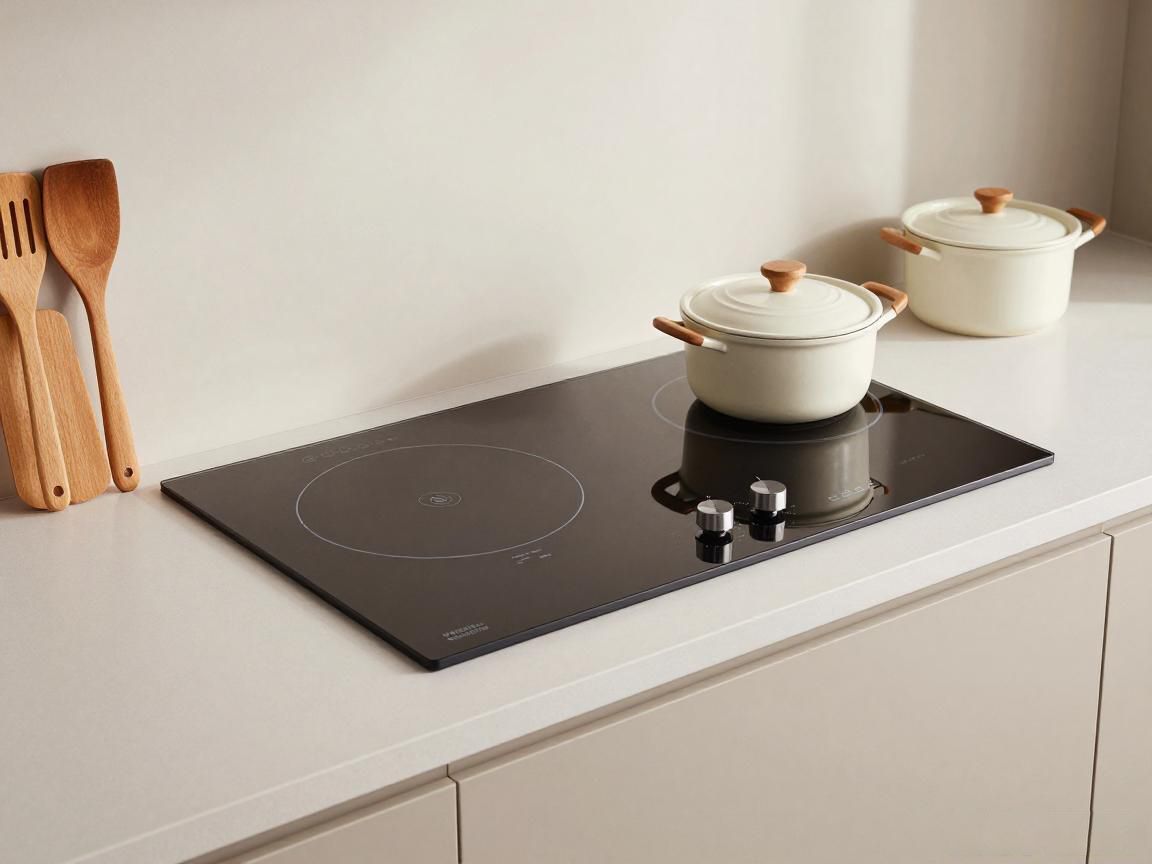
1. Understanding Induction Cooking Efficiency
One of the biggest advantages of induction technology is its efficient energy transfer.
According to ENERGY STAR, approximately 85% of the heating energy from induction cooking is transferred to the cookware, compared with approximately one-third for gas cooking.
This difference occurs because induction technology generates heat directly inside compatible cookware rather than relying on an external flame.
The following figures illustrate the commonly cited comparison:
Cooking Technology
Approximate Heat Transfer Efficiency
Induction Cooker 85%
Conventional Gas Stove 33%
Conventional Electric Cooking 75–80%
These are general reference figures, not guaranteed efficiency ratings for every commercial appliance.
2. Faster Heating Can Improve Kitchen Productivity
Cooking speed is another important factor in commercial food preparation.
The U.S. Department of Energy reports that Consumer Reports testing found induction cooktops could boil water approximately 20%–40% faster than the tested gas and traditional electric cooktops.
For restaurants and catering businesses, faster heating can help reduce preparation time and improve workflow.
Potential applications include:
Boiling water for noodles and pasta.
Preparing soups and sauces.
Heating ingredients during food preparation.
Maintaining controlled cooking temperatures.
Supporting high-volume food service operations.
Actual heating times depend on cookware, water volume, rated power and operating conditions.
3. Less Waste Heat Creates a More Comfortable Kitchen
Traditional gas cooking releases heat into the surrounding kitchen environment. This can increase the cooling requirements of commercial kitchens, especially during busy service periods.
Induction cookers transfer heat directly to compatible cookware, reducing unnecessary heat released into the surrounding air.
A cooler working environment can benefit kitchen staff and may help reduce the cooling load in suitable applications.
For restaurants operating for extended hours, this is an additional consideration when evaluating cooking equipment.
4. Power Control Helps Improve Cooking Consistency
Modern induction cookers use electronic control systems to regulate heating power.
Depending on the model, operators can select different power levels to support different cooking tasks.
For example:
High power for rapid heating.
Medium power for regular cooking.
Low power for gentle heating and simmering.
More responsive power adjustment helps kitchen operators manage different recipes and cooking requirements.
5. What Should Buyers Check Before Purchasing?
Commercial buyers should evaluate more than the advertised energy efficiency.
Important specifications include:
Specification
Why It Matters
Rated Power Determines available heating capacity
Input Voltage Must match the local power supply
Coil Design Influences electromagnetic heating performance
Cooling System Helps protect internal electronic components
Power Control Supports different cooking requirements
Cookware Compatibility Affects heating performance
Safety Protection Helps protect users and equipment
For importers and distributors, product testing information and consistent manufacturing quality are also important.
6. Is an Energy Efficient Induction Cooker Worth Buying?
For commercial kitchens with frequent cooking operations, induction equipment can provide several advantages.
It offers efficient energy transfer, fast heating response, electronic power adjustment and reduced open-flame exposure.
However, the actual financial benefit depends on electricity prices, gas prices, operating hours, equipment performance and kitchen requirements.
Businesses should compare total operating costs rather than focusing only on the initial purchase price.
Frequently Asked Questions
Q1: How energy efficient is an induction cooker?
ENERGY STAR cites approximately 85% heat transfer efficiency for induction cooking. Actual performance varies by model and testing conditions.
Q2: Does an induction cooker use less electricity than a traditional electric stove?
Induction cookers generally transfer energy to cookware more efficiently than conventional electric resistance cooking. Actual electricity consumption depends on the cooking task and appliance specifications.
Q3: Can commercial induction cookers reduce kitchen operating costs?
They may help reduce energy consumption and unnecessary heat generation. The actual savings depend on local utility prices and usage patterns.
Q4: Are induction cookers suitable for restaurants?
Yes. Commercial induction cookers are used in restaurants, hotels, catering businesses and professional food preparation environments.
Energy efficiency, heating speed and power control make induction cooking an increasingly attractive solution for modern commercial kitchens.For wholesalers, importers and commercial kitchen equipment brands, choosing a reliable induction cooker manufacturer is essential for obtaining consistent product quality and dependable supply.Contact our team to explore commercial induction cooker specifications, OEM/ODM options and wholesale cooperation opportunities.
© 2026 Copyright © 2026 Qinghanyuan. All rights reserved. Presented by Qinghanyuan.