
invisible
Search
Search Results
Enter at least 3 characters
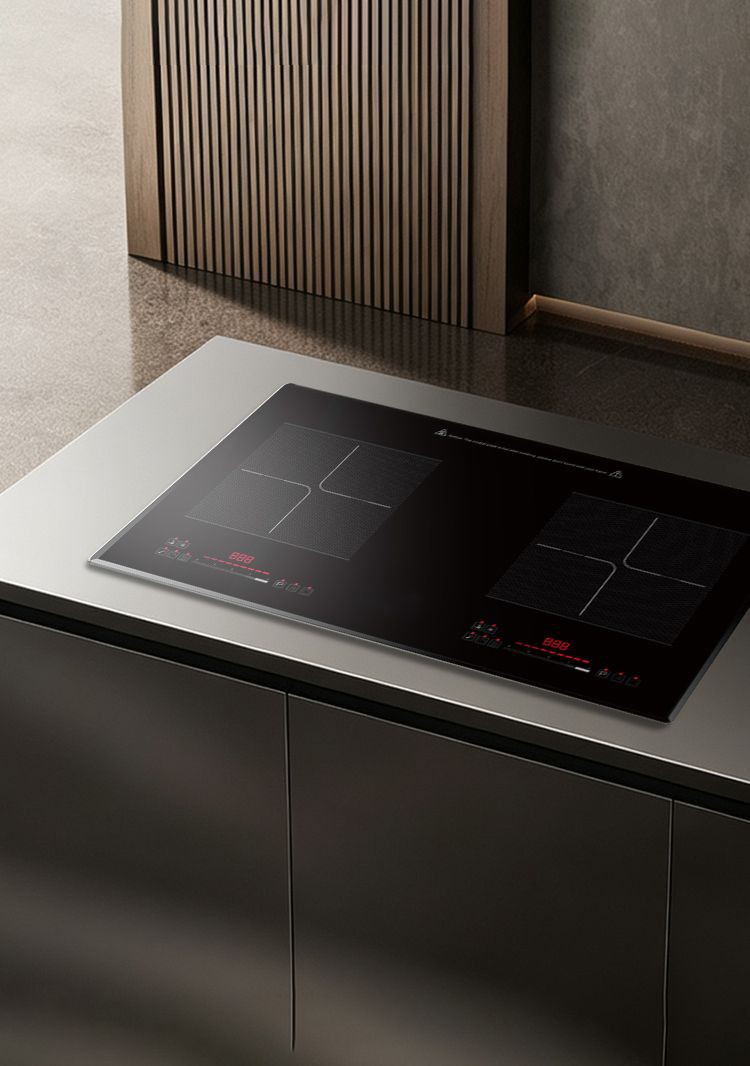
An induction cooker is designed to provide convenient and efficient cooking through electromagnetic heating technology. However, like other electrical appliances, its performance and operating life depend on proper use, regular cleaning and suitable maintenance.For households, restaurants, distributors and commercial kitchen operators, understanding basic induction cooker maintenance can help reduce unnecessary failures and maintain reliable operation.This guide explains practical maintenance methods, common problems and important recommendations for long-term equipment care.
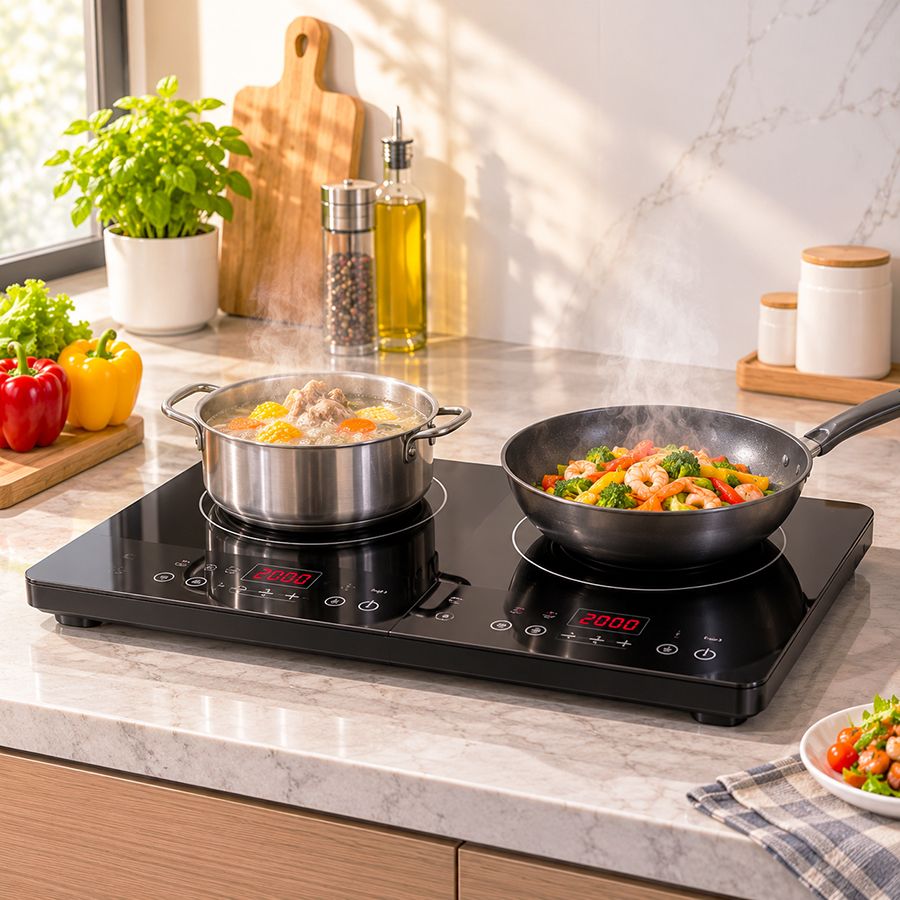
1. Clean the Cooking Surface Regularly
The glass-ceramic surface is one of the most visible parts of an induction cooker.
Food spills, grease and cooking residue can accumulate during regular operation.
Recommended cleaning steps:
Switch off the appliance and disconnect the power when safe to do so.
Allow the cooking surface to cool.
Remove loose food particles using a soft cloth.
Use a suitable cooktop cleaner for stubborn residue.
Wipe the surface with a clean, damp cloth.
Dry the surface before using the appliance again.
Avoid abrasive cleaning pads, sharp metal tools and harsh chemicals that may damage the surface.
2. Keep Air Vents and Cooling Fans Clean
Many induction cookers use internal cooling fans to control the temperature of electronic components.
The ventilation system is particularly important because power switching devices and other electronic components generate heat during operation.
Blocked air inlets or outlets may reduce cooling performance and cause overheating protection to activate.
Maintenance recommendations include:
Keep ventilation openings unobstructed.
Remove dust from external air vents.
Avoid placing the appliance against surfaces that block airflow.
Follow the manufacturer's instructions for fan and internal cleaning.
Arrange professional servicing if unusual fan noise occurs.
Never open the appliance while it is connected to the electrical supply.
3. Use Compatible Cookware
Cookware compatibility is essential for stable induction heating.
Induction cookers generally work with magnetic cookware, including suitable stainless steel and cast iron products.
A simple magnet test can help determine whether a pan is compatible.
For better performance, buyers should consider:
Flat cookware bottoms.
Appropriate cookware diameter.
Magnetic base materials.
Cookware weight within the manufacturer's limits.
Clean and dry cookware surfaces.
Using unsuitable cookware may result in poor heating performance or cookware detection errors.
4. Avoid Overheating and Excessive Operating Loads
Every induction cooker has a rated power and recommended operating conditions.
Using the appliance beyond its specified operating limits may increase internal temperatures and place additional stress on electronic components.
For commercial applications, buyers should confirm:
Rated power and input voltage.
Recommended operating duration.
Cooling system specifications.
Maximum cookware dimensions.
Environmental operating conditions.
Commercial users should select equipment designed for their expected workload rather than relying on household models for continuous heavy-duty operation.
5. Protect the Electrical System
Stable electrical power is important for induction cooker performance.
Before operation, check that:
The power supply matches the appliance rating.
The power cord is not damaged.
The socket is suitable for the appliance's rated current.
The appliance is properly grounded where required.
The electrical circuit has adequate capacity.
Do not use damaged power cords or unsuitable extension cables. Electrical repairs should be performed by qualified technicians.
6. Common Induction Cooker Problems and Possible Causes
Understanding common symptoms can help users identify when professional inspection is needed.
Problem
Possible Cause
Recommended Action
Cooker does not start Power supply or connection issue Check the electrical supply
Pan is not detected Incompatible cookware Use magnetic cookware
Heating is inconsistent Cookware or power-control issue Check cookware and settings
Appliance stops during cooking Overheating protection Allow cooling and inspect ventilation
Fan makes unusual noise Dust or fan malfunction Arrange professional inspection
Error code appears Model-specific fault Refer to the product manual
Error codes vary between manufacturers and models. Always follow the relevant user manual rather than applying a universal troubleshooting method.
7. How Long Does an Induction Cooker Last?
There is no single service-life figure that applies to every induction cooker.
Actual service life depends on component quality, electronic design, cooling performance, frequency of use, operating environment and maintenance.
For manufacturers and distributors, several factors are particularly important:
Quality of power electronic components.
Reliability of the induction coil.
Cooling fan performance.
Temperature protection design.
PCB manufacturing quality.
Product testing and inspection procedures.
For B2B purchasing, it is advisable to request product test reports, warranty terms and information about replacement parts.
Frequently Asked Questions
Q1: How often should an induction cooker be cleaned?
The cooking surface should be cleaned after regular use once it has cooled. Ventilation openings should also be inspected periodically according to the manufacturer's recommendations.
Q2: Why does an induction cooker suddenly stop working?
Possible reasons include overheating protection, unsuitable cookware, electrical supply problems or an internal component fault.
Q3: Can water damage an induction cooker?
Excessive liquid entering ventilation openings or internal electronic components may cause damage. Keep the appliance dry and follow the manufacturer's cleaning instructions.
Q4: Does an induction cooker need professional maintenance?
Professional inspection may be necessary if the appliance develops electrical faults, abnormal noises, repeated overheating or persistent error codes.
Q5: How can distributors reduce after-sales problems?
Choose reliable manufacturers, evaluate product samples, check quality inspection procedures, provide clear user manuals and maintain an appropriate spare-parts supply.
Proper cleaning, suitable cookware, sufficient ventilation and correct electrical installation are essential for maintaining an induction cooker.For commercial users and distributors, choosing equipment with reliable electronic components, effective cooling and appropriate safety protection can help improve long-term operating reliability.If you are looking for an induction cooker manufacturer, contact our team for product specifications, quality information and OEM/ODM cooperation.
© 2026 Copyright © 2026 Qinghanyuan. All rights reserved. Presented by Qinghanyuan.